

 AR
AR BG
BG CS
CS NL
NL FI
FI FR
FR DE
DE EL
EL HI
HI IT
IT JA
JA KO
KO PL
PL PT
PT RU
RU ES
ES SV
SV IW
IW ID
ID UK
UK VI
VI HU
HU TH
TH TR
TR FA
FA
If you are looking for a machine that can turn, mill, and drill without taking up too much workshop space, you have probably come across a multifunctional turning, milling, and Drilling Machine . At first glance, it seems like a practical choice because it combines several common machining tasks into one unit. But is it really worth buying? The answer depends on the type of work you do, your budget, and how often you use the machine. For hobby users, small repair shops, and businesses with limited space, this type of machine can be a smart investment. Knowing both its strengths and its limits will help you decide if it fits your needs.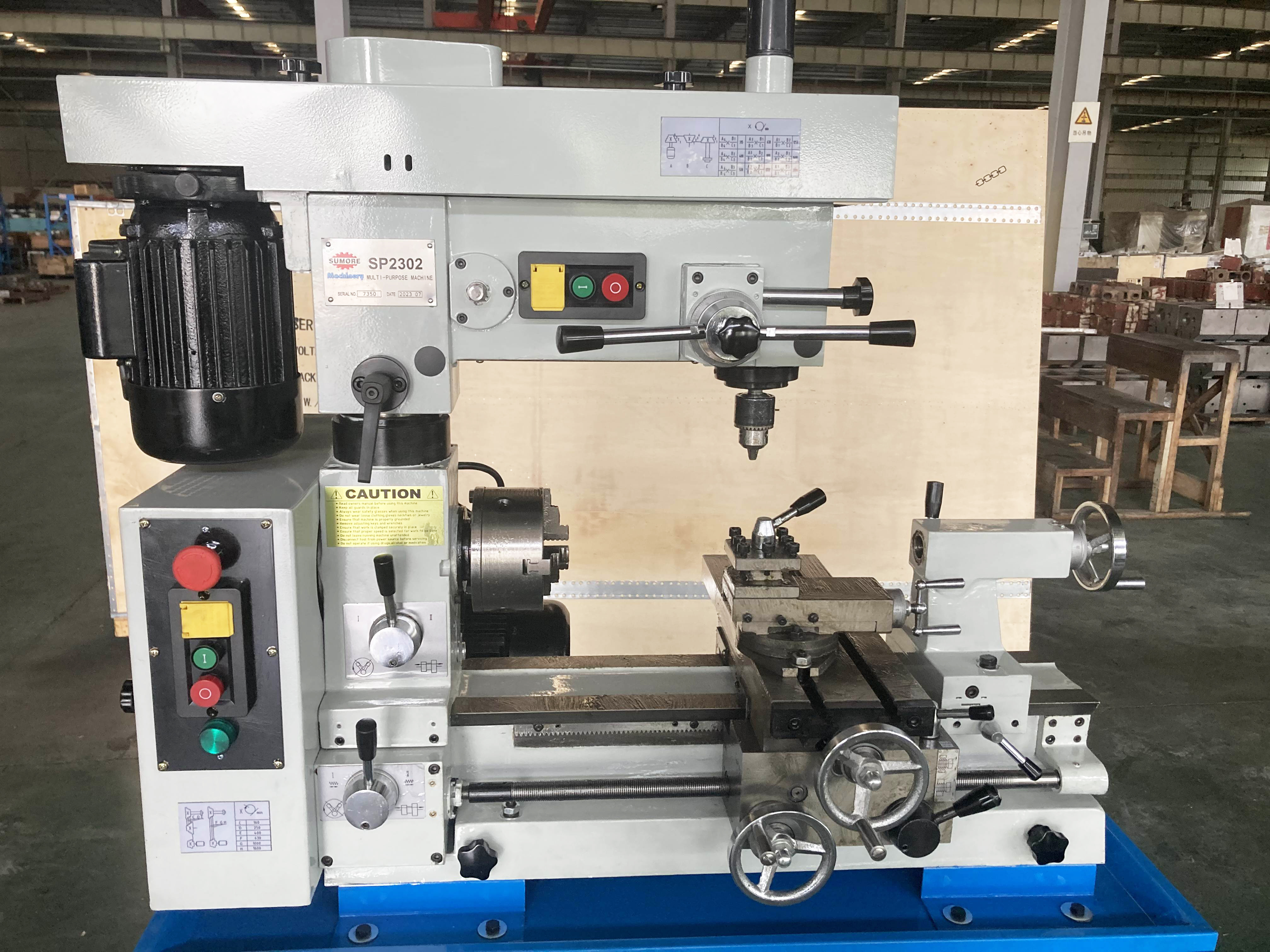
The overall structural composition of the integrated lathe mill drill machine
A multifunctional turning, milling, and drilling machine combines three machining functions into one compact piece of equipment. While different models may have small design differences, most share the same basic structure. Understanding how each part works will help you operate the machine more safely and choose the right model for your workshop.
The lathe section is usually the foundation of the machine. It includes the bed, headstock, spindle, chuck, carriage, cross slide, and tailstock. This is where turning operations take place. The spindle rotates the workpiece while the cutting tool removes material to create the required shape. Whether you are making shafts, bushings, or threaded parts, this section handles most round machining jobs.
Mounted above or beside the lathe is the milling head. It normally has its own motor and spindle, allowing milling cutters to remove material from flat surfaces, slots, keyways, and other features. The milling head can often move up and down, while the worktable provides movement in different directions, giving the operator better control during machining.
The drilling function is usually built into the milling head. By changing the cutting tool from a milling cutter to a drill bit, the machine can drill holes with different diameters. Many machines also support reaming, countersinking, and tapping when used with the proper tools and correct spindle speed.
Other important parts include the feed system, speed controls, cooling system, and electrical control panel. The feed system helps move the cutting tool smoothly, while the speed controls allow you to match spindle speed with different materials such as aluminum, brass, mild steel, or stainless steel. Some models also include a coolant pump that reduces heat, improves surface finish, and extends tool life during longer machining jobs.
For example, a small repair shop may use the same machine to turn a damaged shaft, mill a flat surface for a keyway, and drill mounting holes before the part is ready for installation. Instead of moving the workpiece between several machines, the operator can complete multiple steps on one machine, saving both time and workshop space while keeping the machining process more efficient.
Three in one multifunctional lathe machine can complete the process
One of the biggest advantages of a three-in-one multifunctional lathe machine is its ability to complete several common machining jobs without moving the workpiece to different machines. This makes it a practical choice for small workshops, maintenance departments, technical schools, and hobby users who need flexibility without filling their workspace with separate equipment.
The machine can perform turning operations such as facing, outside diameter turning, taper turning, grooving, threading, and boring. These are common tasks when producing shafts, sleeves, bushings, threaded rods, and custom mechanical parts. By changing the cutting tool and adjusting the spindle speed, the operator can handle different materials, including aluminum, brass, carbon steel, and some grades of stainless steel.
After the turning work is complete, the machine can switch to milling operations. With the right milling cutter, users can create flat surfaces, machine slots, cut keyways, produce small steps, and shape simple contours. This allows one workpiece to receive several machining features without repeated repositioning, which also helps reduce alignment errors.
The drilling function adds another level of flexibility. The machine can drill holes of different sizes, enlarge existing holes, and, with suitable tooling, perform countersinking, reaming, and tapping. These processes are common when making brackets, machine parts, fixtures, and repair components.
A good example is the production of a motor mounting bracket. The raw material can first be turned to achieve the required diameter. Next, the milling head machines flat mounting surfaces and slots. Finally, the drilling function creates the bolt holes needed for assembly. All of these steps can be completed on the same machine, making the workflow smoother and reducing the time spent transferring the part between different machines.
Although a three-in-one machine is highly versatile, it is best suited for small-batch production, maintenance work, prototype development, and general machining tasks. For factories producing large quantities of precision parts every day, separate dedicated turning, milling, and drilling machines often provide higher speed and greater production efficiency. For many users, though, the ability to complete multiple processes on one machine offers an excellent balance between convenience, cost, and workshop space.
Compare the cost differences of separating three machine tools
Cost is one of the main reasons people consider buying a multifunctional turning, milling, and drilling machine. Before making a decision, it helps to compare the total investment with buying three separate machine tools. The purchase price is only one part of the equation. Space, maintenance, tooling, and daily operating costs also affect the long-term value.
A three-in-one machine usually costs much less than purchasing a standalone lathe, milling machine, and drill press with similar capacity. For a small workshop or a startup business, this lower upfront cost leaves more room in the budget for cutting tools, measuring equipment, workholding accessories, and raw materials.
Workshop space is another important factor. Three separate machines require more floor space and enough room for operators to work safely around each one. A multifunction machine combines these operations into a single unit, making it a good fit for garages, training centers, and workshops where every square meter matters.
Maintenance costs can also be lower with one integrated machine. Instead of servicing three motors, three electrical systems, and three machine frames, you only need to maintain one machine. This can save both time and money, especially for users who perform routine maintenance themselves. Power consumption may also be lower because only one machine is running during most jobs.
That said, separate machines have their own advantages. Different operators can work at the same time, allowing one person to turn a part while another mills or drills another component. This increases productivity and shortens production time for businesses with a steady flow of work. Dedicated machines are also often more rigid and better suited for heavy cutting and high-volume production.
For example, a custom motorcycle repair shop that makes only a few replacement parts each week may find a three-in-one machine more than enough for its daily work. On the other hand, a factory producing hundreds of identical metal parts every day will usually recover the higher cost of separate machines through faster production and greater efficiency.
The best choice depends on your workload, available space, and future plans. If your projects involve small batches, repairs, or prototypes, a multifunction machine often delivers better overall value. If production volume continues to grow, investing in separate machine tools may become the more economical option over time.
Measurement of batch processing efficiency of multi functional machine parts
When evaluating a multifunctional turning, milling, and drilling machine, batch processing efficiency is an important factor to consider. Many buyers focus only on the number of functions the machine offers, but real efficiency depends on how quickly and consistently it can produce finished parts while maintaining the required quality.
For small production runs, a multifunction machine often performs very well. Since turning, milling, and drilling can all be completed on one machine, the operator spends less time moving workpieces between different machines. This reduces setup time and lowers the chance of positioning errors. For batches of 10 to 100 parts, these time savings can make a noticeable difference in the overall production schedule.
Cycle time is one of the easiest ways to measure efficiency. This includes loading the material, setting up the cutting tools, machining the part, checking dimensions, and unloading the finished workpiece. Recording the average cycle time for several parts provides a realistic picture of the machine's productivity. If the setup is well planned, later parts in the batch are usually completed faster than the first one.
Another useful measurement is the consistency of finished parts. During batch production, dimensions should remain within the required tolerance from the first part to the last. Regular checks with calipers, micrometers, or dial indicators help confirm that the machine maintains stable accuracy throughout the production run. Good consistency also reduces scrap and rework, saving both material and labor costs.
For example, a workshop producing 50 aluminum bushings may complete turning, milling a small flat, and drilling a cross hole on the same machine. Because the workpiece stays in place for most of the process, alignment remains accurate and production flows smoothly. The operator can also spend less time resetting fixtures compared with using three separate machines.
For large production volumes, dedicated lathes, milling machines, and drilling machines usually offer higher output because multiple operators or automated equipment can work at the same time. Even so, for repair work, prototype development, custom machining, and small to medium batch production, a multifunction machine provides a practical balance between production efficiency, operating cost, and workshop flexibility.
Daily maintenance precautions for 3 in 1 multi-functional lathe milling drilling
Regular maintenance plays a big role in keeping a three-in-one lathe, milling, and drilling machine running smoothly. A few minutes of care at the end of each workday can improve machining accuracy, reduce unexpected breakdowns, and extend the service life of the machine. Good maintenance habits also help keep operators safe and reduce repair costs over time.
Start by cleaning the machine after every job. Remove metal chips from the bed, worktable, chuck, tool holder, and guideways using a brush or chip hook. Avoid using compressed air to blow chips into bearings or moving parts, as this can push small metal particles deeper into the machine and increase wear. Wipe exposed metal surfaces with a clean cloth and apply a light coat of protective oil to help prevent rust, especially if the workshop has high humidity.
Lubrication is another daily task that should not be skipped. Check the lubrication points listed in the machine manual and make sure the guideways, lead screws, gears, and other moving parts receive the recommended oil. Proper lubrication reduces friction, helps parts move smoothly, and slows down wear during regular operation.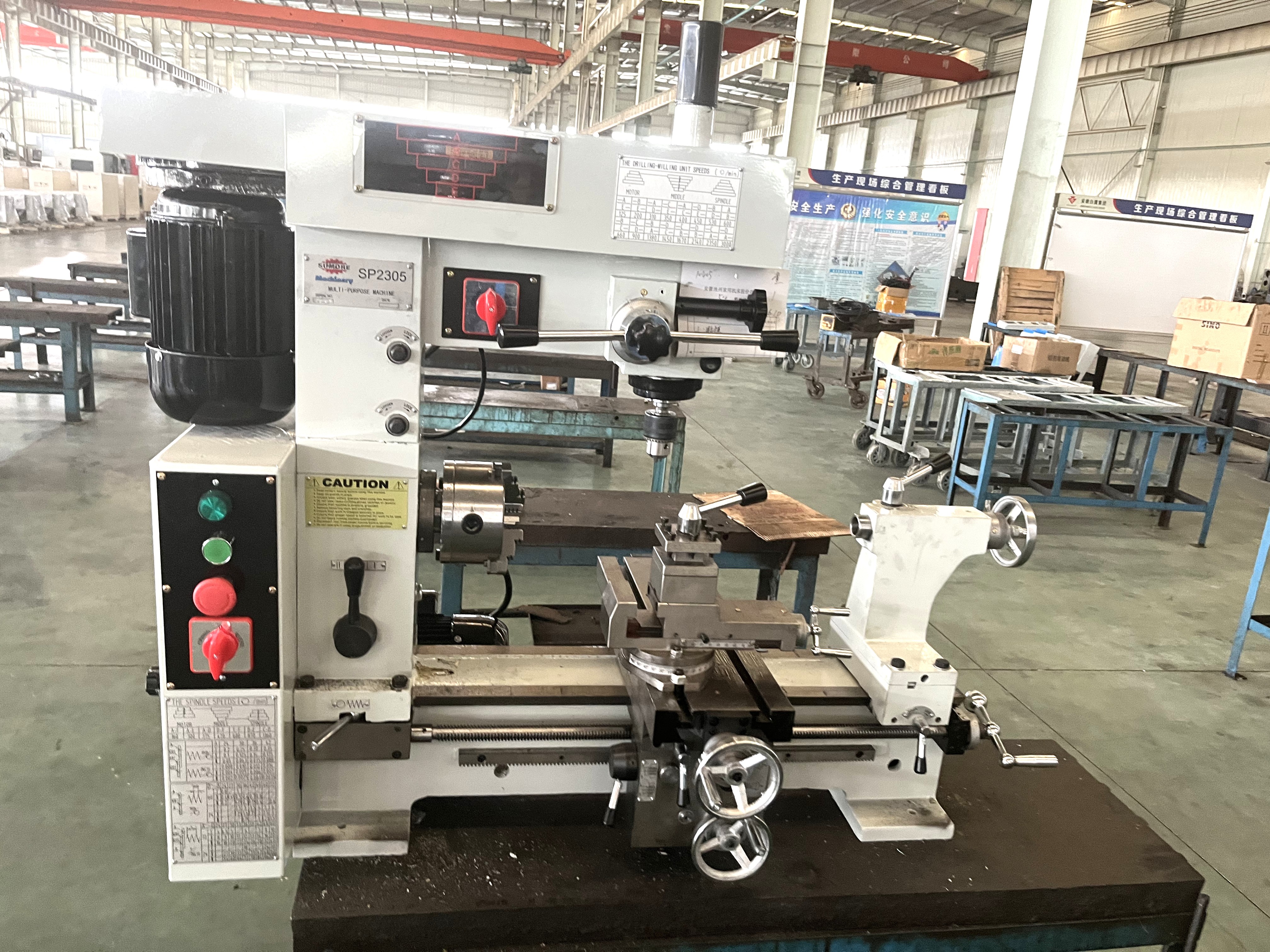
Before starting work, inspect the cutting tools, chuck, belts, and fasteners. Replace worn or damaged cutting tools because dull tools produce poor surface finishes and place extra stress on the machine. Make sure the chuck and tool holders are tightened correctly, and check that all guards are securely in place before switching on the machine.
In case of use of coolant system by the machine, the coolant should be checked and kept clean. Contaminated coolant will not cool properly and also the surface finish on the machined part will get affected. The coolant needs to be changed based on manufacturer's maintenance guide, in case there is buildup of chips or sludge.
For example, a small repair shop that spends ten minutes cleaning and lubricating the machine after each day's work is less likely to face unexpected downtime during an urgent repair job. These simple routines often cost very little but can prevent expensive repairs later.
Finally, schedule regular inspections of electrical wiring, switches, spindle bearings, and drive belts. Fixing small problems early is much easier than dealing with major machine failures. With consistent daily care, a three-in-one multifunctional lathe, milling, and drilling Milling Machine can deliver reliable performance and stable machining accuracy for many years.
Table of Contents
- The overall structural composition of the integrated lathe mill drill machine
- Three in one multifunctional lathe machine can complete the process
- Compare the cost differences of separating three machine tools
- Measurement of batch processing efficiency of multi functional machine parts
- Daily maintenance precautions for 3 in 1 multi-functional lathe milling drilling
Sumore Machinery, founded in 2001, provides a full machinery supply chain covering R&D, manufacturing, and global trade. Specializing in power tools, woodworking and metal processing machines, we support worldwide partners with reliable products and long-term cooperation.


