

 AR
AR BG
BG CS
CS NL
NL FI
FI FR
FR DE
DE EL
EL HI
HI IT
IT JA
JA KO
KO PL
PL PT
PT RU
RU ES
ES SV
SV IW
IW ID
ID UK
UK VI
VI HU
HU TH
TH TR
TR FA
FA
When selecting whether to use a vertical or horizontal band saw, it is not just about the equipment itself. It also depends on the kind of work you do on a daily basis. There is a huge difference between a machine shop that works on large steel bars and one that works on specialized metal pieces or shapes. Using the wrong type of band Saw Machine will slow down the manufacturing process, cause waste of material, and create more difficulties than needed. Knowing where to use a particular type of band saw can help you to make an informed decision.
Vertical band sawing machine body placement cutting method
A vertical band saw is designed with the blade running in a fixed vertical position, while the workpiece is moved by hand or with the help of a worktable. This setup gives the operator much more control over the cutting path, making it a good choice for jobs that need accuracy or curved cuts. Instead of lowering the saw onto the material, the operator guides the material into the moving blade, much like using a woodworking bandsaw. This simple difference changes the kinds of projects the machine handles best.
One of the biggest strengths of a vertical band saw is its flexibility. It can cut straight lines, circles, curves, slots, and irregular shapes that would be difficult or impossible for a horizontal band saw. Many fabrication shops use it when producing custom brackets, machine components, or decorative metal parts. If a customer orders a small batch of parts with unique shapes, a vertical machine often makes the work much easier because the operator can carefully follow marked cutting lines.
The worktable also plays an important role. Most vertical band saws have a flat table that supports the material during cutting. Small and medium-sized workpieces stay stable while the operator guides them through the blade. Some machines include a tilting table, allowing angled cuts without changing the position of the blade. This feature is helpful when making bevels or preparing parts for welding.
For example, a maintenance workshop repairing factory equipment may need to create a replacement plate with several curved edges and cutouts. Instead of sending the part to a CNC machine, a technician can use a vertical band saw to shape the material quickly before drilling or finishing it. This saves both time and machining costs, especially for one-off repairs.
To get the best results, keep the material flat on the table and feed it into the blade at a steady speed. Avoid forcing the workpiece, as this can damage the blade or reduce cutting accuracy. Choosing the correct blade width also matters. Narrow blades are better for tight curves, while wider blades provide better stability for long straight cuts. Regular blade tension checks and keeping the table clean will also help maintain smooth, accurate cutting over time.
Differences in feed bearing structure of horizontal band saw machine
The feed system is one of the biggest differences between a horizontal band saw and a vertical band saw. On a horizontal band saw, the material is usually held in a vise while the saw head moves down through the workpiece. The feed process is supported by a stable bearing structure, allowing the machine to make straight cuts with very little operator effort. This design is built for repeatable production and heavy-duty cutting rather than manual shaping.
Most horizontal band saws use a hydraulic feed system to control how quickly the saw head lowers onto the material. The feed rate can be adjusted based on the size, hardness, and type of metal being cut. A slower feed works better for thick alloy steel, while a faster feed may be suitable for aluminum or mild steel. Keeping the feed speed balanced helps protect the blade, improves the cut surface, and reduces unnecessary wear on the machine.
The bearing structure also plays an important role in cutting stability. Blade guide bearings are positioned on both sides of the blade to keep it aligned during the cut. These bearings reduce blade vibration and prevent the blade from twisting under heavy cutting loads. As a result, the saw can produce straighter cuts, even when processing large solid bars, thick pipes, or structural steel.
In many modern horizontal band saws, the feed system works together with automatic material feeding. Once the operator sets the cutting length, the machine feeds the material forward, clamps it securely, and completes each cut with very little manual work. This setup is common in workshops that process dozens or even hundreds of identical pieces every day.
For example, a steel service center cutting 200 round bars for a construction project needs every piece to have the same length. A horizontal band saw with a stable feed bearing structure can complete the job consistently while reducing operator fatigue and limiting measurement errors.
To keep the feed system working well, inspect the guide bearings regularly for wear, maintain the correct hydraulic oil level, and keep the guide rails clean. Small maintenance checks like these help the machine stay accurate, extend blade life, and reduce downtime during busy production schedules.
Vertical cutting of sheet metal vs. horizontal cutting of bar material
The type of material being processed is one of the main reasons manufacturers choose either a vertical or a horizontal band saw. While both machines use a continuous band saw blade, they are designed for different cutting tasks. A vertical band saw is better suited for shaping flat materials, while a horizontal band saw is built to cut long or heavy stock into shorter pieces with speed and consistency.
A vertical band saw is commonly used for sheet metal, thin plates, aluminum sheets, stainless steel panels, and other flat workpieces. Since the operator moves the material across the worktable, it is easy to follow straight lines, curves, or complex patterns. This makes the machine a good choice for custom fabrication, prototype development, and repair work where every part may have a different shape.
For example, a metal fabrication shop making electrical cabinet panels may first draw the cutting outline on a steel sheet. The operator then guides the sheet through the vertical band saw to create openings, rounded corners, or curved profiles before the parts move to bending and welding. This process offers good control without requiring expensive cutting equipment for simple jobs.
A horizontal band saw works very differently. The material stays fixed while the saw head moves through it, making the machine ideal for cutting solid bars, steel pipes, square tubes, channels, and other structural materials. It is widely used as the first cutting step before machining, welding, or assembly. Since the workpiece is securely clamped, the machine delivers consistent lengths and straight cuts with little operator involvement.
A machine shop, for example, may receive six-meter steel bars that need to be cut into shorter sections before they are turned on a lathe or milled on a machining center. A horizontal band saw can complete this job quickly and repeat the same cut hundreds of times with reliable accuracy.
When deciding between the two, think about the shape of the material instead of the machine size alone. If your daily work focuses on flat sheets and custom profiles, a vertical band saw is usually the better fit. If you regularly process bars, tubes, and structural steel in large quantities, a horizontal band saw will deliver higher efficiency and more consistent production results.
Large size board cutting suitable for vertical band saw machine
Large metal plates can be difficult to process with standard cutting equipment, especially when the workpiece needs more than a simple straight cut. A vertical band saw is often the better choice because the material rests on a large worktable while the blade stays in a fixed position. Instead of moving the saw, the operator guides the plate through the blade, making it easier to control large, flat workpieces without sacrificing accuracy.
One of the biggest advantages of a vertical band saw is its ability to handle oversized sheets that would be awkward to clamp on a horizontal machine. Steel plates, aluminum sheets, stainless steel panels, and non-ferrous metal plates can all be cut with good control, provided the table offers enough support. Many workshops also use roller stands or extension tables when working with extra-long or extra-wide materials to prevent the sheet from bending during cutting.
This machine is especially useful when the part requires more than a simple crosscut. Large cabinet panels, machine covers, base plates, and equipment guards often include curved edges, rounded corners, or internal cutouts. A vertical band saw allows the operator to follow these layouts directly, making it a practical option for custom manufacturing and small-batch production.
For example, a company producing stainless steel kitchen equipment may need to cut large sheets into sink panels with rounded corners and irregular openings. Instead of creating several separate cutting setups, the operator can guide the sheet through the vertical band saw to complete most of the shaping before the parts move to bending and welding. This shortens production time and reduces material waste.
Good handling practices become even more important when cutting large boards. Always support the full weight of the sheet, especially if it extends beyond the worktable. Feeding the material at a steady pace helps prevent the blade from drifting off the cutting line. Before starting the job, check that the blade tension is correct and choose a blade suitable for the material thickness. With proper setup and careful handling, a vertical band saw can deliver clean, accurate cuts on large plates while giving the operator the flexibility needed for custom fabrication work.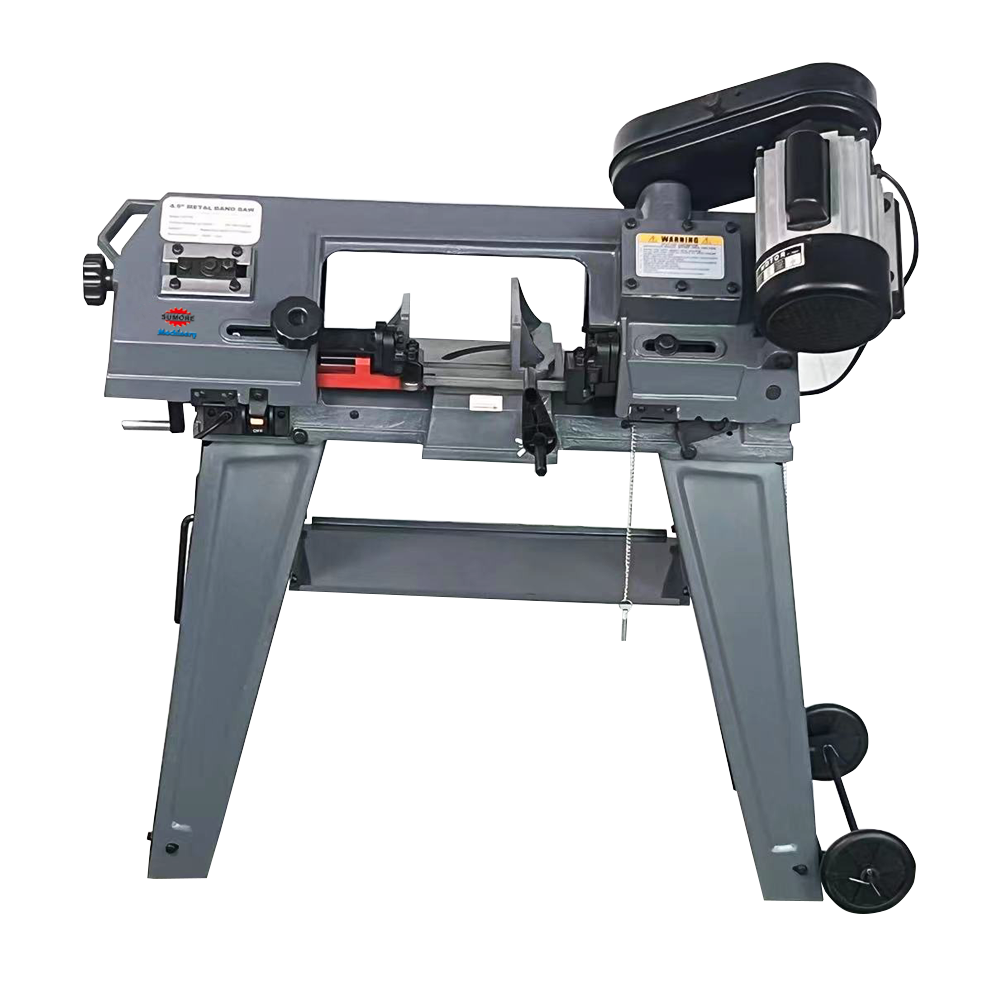
Optimal selection of horizontal sawing for batch cutting of long bar materials
When a workshop needs to cut large quantities of long bar materials, a horizontal band saw is usually a practical choice. Its design focuses on stable clamping, automatic feeding, and repeated cutting, which makes it suitable for processing steel bars, pipes, square tubes, and other long stock materials. Instead of manually guiding each piece through the blade, the machine holds the material firmly and completes each cut with consistent results.
One of the main reasons horizontal band saws perform well in batch cutting is their feeding structure. Long materials can be placed on the feeding table, measured to the required length, and moved forward automatically or with controlled manual operation. After the material is clamped, the saw head lowers at a steady speed to complete the cut. This reduces the need for constant operator adjustment and helps maintain the same size across many pieces.
For example, a Drilling Machine processing factory may receive a large order for hundreds of steel shafts that need to be cut into shorter sections before turning and grinding. Using a horizontal band saw allows workers to set the cutting length once and repeat the process efficiently. Compared with using a handheld cutting tool, the machine produces cleaner cuts, reduces physical effort, and lowers the chance of size differences between parts.
Choosing the right horizontal band saw depends on the size and type of material being processed. Heavy solid bars require a machine with stronger clamping force and higher cutting power, while thin tubes may need a faster cutting speed and suitable blade selection. The maximum cutting capacity should also match the largest material size used in daily production, not only the average job.
For better batch cutting performance, operators should prepare materials neatly, keep the feeding path clear, and replace blades before cutting quality drops. A worn blade may increase cutting time and create rough surfaces. Regular checks of the guide bearings, hydraulic system, and blade tension can also help the machine maintain stable operation.
For workshops that mainly handle long materials and repeated cutting tasks, a horizontal band saw provides a reliable way to improve workflow. It helps turn a time-consuming manual process into a more organized and consistent production step.
Table of Contents
- Vertical band sawing machine body placement cutting method
- Differences in feed bearing structure of horizontal band saw machine
- Vertical cutting of sheet metal vs. horizontal cutting of bar material
- Large size board cutting suitable for vertical band saw machine
- Optimal selection of horizontal sawing for batch cutting of long bar materials
Sumore Machinery, founded in 2001, provides a full machinery supply chain covering R&D, manufacturing, and global trade. Specializing in power tools, woodworking and metal processing machines, we support worldwide partners with reliable products and long-term cooperation.


