

 AR
AR BG
BG CS
CS NL
NL FI
FI FR
FR DE
DE EL
EL HI
HI IT
IT JA
JA KO
KO PL
PL PT
PT RU
RU ES
ES SV
SV IW
IW ID
ID UK
UK VI
VI HU
HU TH
TH TR
TR FA
FA
Grinding plays a big part in modern manufacturing because it helps create smooth surfaces, accurate sizes, and reliable parts. Among the many grinding methods, surface grinding, cylindrical grinding, and internal grinding are three of the most common. Each one is designed for a different type of job, and choosing the right process can make a big difference in product quality, production speed, and cost. For example, a machine shop making flat steel plates will use a different grinding method than a company producing precision shafts or bearing holes. Understanding how these grinding processes differ will help you choose the right solution for your machining needs.
Differences In Core Machining Objects Among Three Types Of Grinders

Surface grinders, cylindrical grinders, and internal grinders may all remove small amounts of material, but each one is built to work on a different part of a workpiece. Knowing what each machine is designed to handle makes it much easier to choose the right process and avoid unnecessary machining problems.
A surface grinder is mainly used for flat surfaces. The workpiece is usually held on a magnetic chuck while a rotating grinding wheel moves across the top. This method is common for steel plates, machine bases, molds, cutting tools, and other parts that need a smooth and level finish. For example, a mold manufacturer may use a surface grinder to create a perfectly flat mold plate before moving on to assembly.
A cylindrical grinding machine is made for round outside surfaces. The workpiece rotates while the grinding wheel removes material from the outer diameter. This process is often used for shafts, rollers, pins, spindles, and hydraulic rods. A motor shaft, for example, must have a consistent diameter from one end to the other so that bearings fit correctly. Cylindrical grinding helps achieve that level of accuracy.
An internal grinder focuses on the inside of a hole instead of the outside of a part. A small grinding wheel enters the bore and machines the inner surface. This process is widely used for bearing races, bushings, gears, valve sleeves, and precision mechanical parts. A bearing manufacturer may use internal grinding to create a smooth, accurate inner diameter that allows the bearing to rotate with very little friction.
Although these three grinding methods share the same goal of improving precision and surface quality, they work on completely different areas of a part. Before selecting a grinding machine, think about whether the finished surface is flat, outside round, or inside round. Matching the machine to the shape of the workpiece helps improve machining quality, reduce production time, and avoid extra finishing work later in the manufacturing process.
The Difference In Grinding Wheel Structure Between Surface & Cylindrical Grinder
Although surface grinders and cylindrical grinders both use abrasive wheels to remove material, the grinding wheel structure and setup are not exactly the same. The wheel design is chosen to match the shape of the workpiece, the contact area, and the level of precision needed. Understanding these differences helps operators select the right wheel for better performance and longer tool life.
A surface grinder usually uses a straight grinding wheel with a wide grinding face. Since the goal is to machine a flat surface, the wheel makes contact across a larger area of the workpiece. The wheel is often mounted on a horizontal spindle, allowing the edge or face of the wheel to create a smooth and even finish. This design works well for steel plates, machine parts, mold components, and other flat pieces that require tight flatness and surface quality.
A cylindrical grinder, on the other hand, is designed for round parts. The grinding wheel is generally narrower than the one used on a surface grinder because it only contacts a small section of the rotating workpiece at one time. The wheel gradually moves along the length of the shaft or roller while removing material from the outside diameter. This smaller contact area helps reduce heat buildup and allows better control over roundness and dimensional accuracy.
The grinding wheel material can also vary depending on the job. Aluminum oxide wheels are widely used for grinding carbon steel and alloy steel, while silicon carbide wheels are often selected for cast iron or non-ferrous metals. Harder materials such as carbide or ceramics may require diamond or CBN grinding wheels to achieve better cutting performance and a longer service life.
Choosing the correct wheel is just as important as choosing the right grinder. A wheel that matches the workpiece material, shape, and grinding task will produce a better surface finish, reduce wheel wear, and improve machining efficiency. Regular wheel dressing is also important because a sharp and properly shaped wheel cuts more smoothly, generates less heat, and delivers more consistent results throughout production.
Three Types Of Grinding Machine Are Suitable For Processing Workpiece Shapes

One of the easiest ways to choose the right grinding machine is to look at the shape of the workpiece. Surface grinders, cylindrical grinders, and internal grinders are each designed for specific part geometries. Using the correct machine improves machining accuracy, shortens production time, and reduces the need for extra finishing work.
A CNC series is the best choice for flat or slightly contoured parts. It is commonly used for metal plates, machine tables, mold inserts, cutting tools, and precision blocks. These parts often require smooth, even surfaces that fit closely with other components. For example, a machine base with uneven surfaces can cause alignment problems during assembly. Surface grinding helps create flat, accurate contact surfaces that improve the overall quality of the finished product.
A cylindrical grinder is designed for workpieces with outside round shapes. It is widely used to machine shafts, rollers, spindles, axles, and other cylindrical parts. These components are found in electric motors, pumps, automotive systems, and industrial machinery. If a shaft is slightly out of round, it may cause vibration, noise, or faster bearing wear. Cylindrical grinding produces a consistent diameter and smooth finish, helping rotating parts perform reliably over long periods.
An internal grinder is used for parts with precision holes or internal bores. Typical workpieces include bearing rings, bushings, sleeves, gears, valve bodies, and hydraulic cylinders. The grinding wheel reaches inside the workpiece to finish the inner surface with high accuracy. This process is especially useful when the inside diameter must match another component with very little clearance. For example, a hydraulic cylinder needs a smooth internal surface so the piston can move freely while maintaining a proper seal.
Before selecting a grinding machine, think about the final shape that needs to be finished. Flat surfaces are best handled by a surface grinder, outside round surfaces by a cylindrical grinder, and inside holes by an internal grinder. Matching the machine to the workpiece shape leads to better accuracy, fewer production issues, and more consistent results from one part to the next.
Comparison Of Grinding Machine Processing Accuracy And Application Scenarios
Processing accuracy is one of the main reasons manufacturers choose grinding instead of other machining methods. Surface grinders, cylindrical grinders, and internal grinders can all produce high-precision parts, but each one is best suited for different quality requirements and production tasks.
A surface grinder is known for producing excellent flatness and surface finish. It is often used when two parts need to fit together without gaps or uneven contact. Common applications include mold bases, precision fixtures, machine guide plates, and measuring tools. A smooth, flat surface helps reduce wear between moving parts and improves the accuracy of the final assembly.
A cylindrical grinder focuses on the outside diameter of round parts. It delivers high accuracy in roundness, straightness, and diameter consistency. This makes it a popular choice for manufacturing motor shafts, transmission components, rollers, and hydraulic rods. For example, a shaft used in industrial equipment must rotate smoothly at high speed. Even a small size difference can create vibration or shorten the life of the bearings. Cylindrical grinding helps keep these parts within very tight tolerances.
An internal grinder is designed for precision work inside holes and bores. It can produce accurate internal diameters with a fine surface finish, making it suitable for bearing races, bushings, valve sleeves, and high-precision mechanical parts. In many cases, the inside surface is just as important as the outside because it directly affects how another component fits and moves. A smooth internal bore also helps reduce friction and improve sealing performance.
Each grinding machine is commonly used in different industries. Surface grinders are widely found in mold making, tool manufacturing, and general machine shops. Cylindrical grinders are used in the automotive, aerospace, and heavy equipment industries for precision rotating parts. Internal grinders are common in bearing production, hydraulic equipment, medical devices, and other applications that require accurate internal dimensions.
Choosing the right CNC milling machine depends on both the shape of the workpiece and the level of precision required. When the machine matches the job, manufacturers can achieve better quality, reduce rework, and produce reliable parts that perform well in real-world applications.
Quick Judgment Of Workshop Selection And Grinding Machine Skills
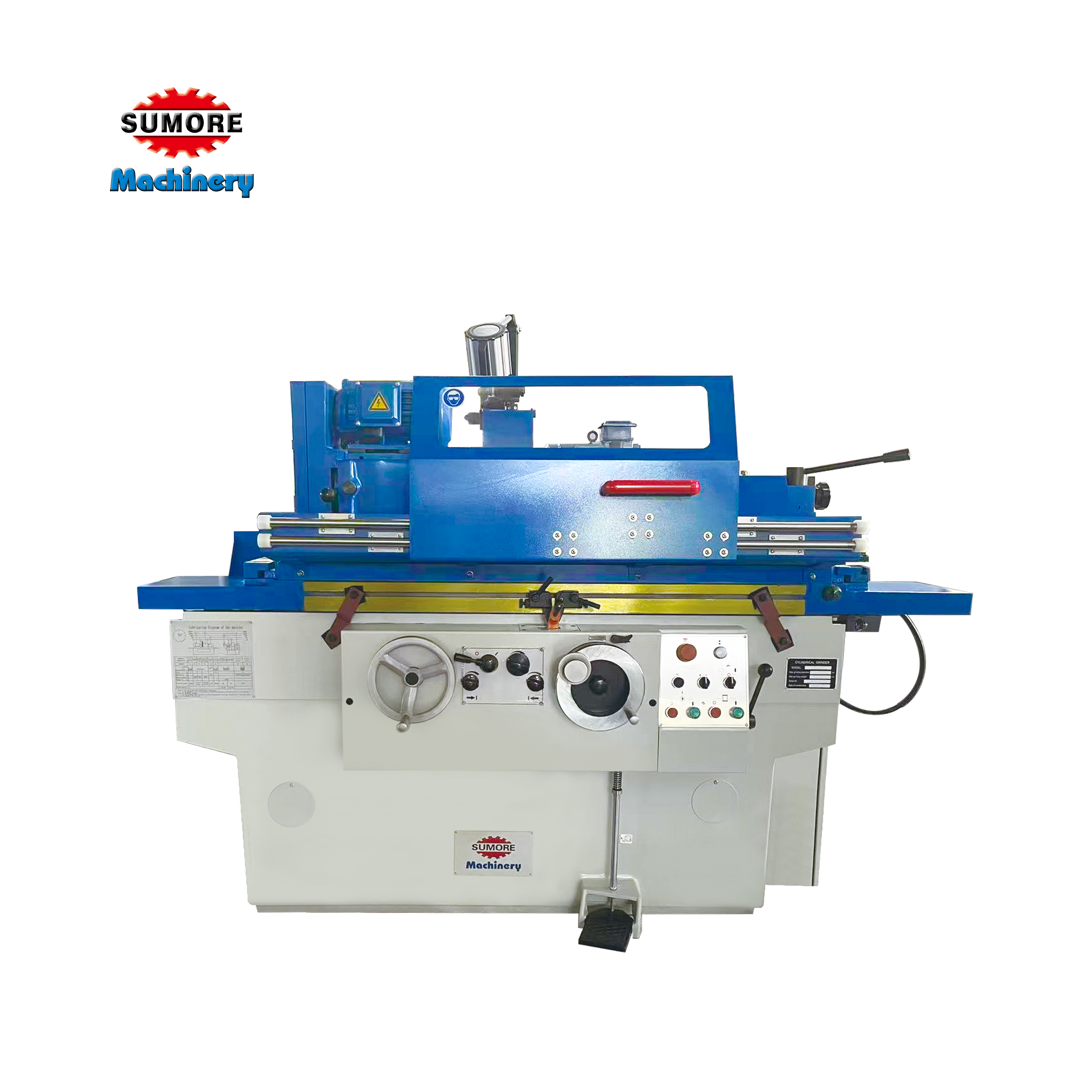
Choosing the right grinding machine does not have to be difficult. A few simple checks can help you decide which machine fits the job and improve machining results from the start. Whether you are planning a new production line or handling a one-time machining task, understanding the basic selection process can save both time and money.
Start by looking at the shape of the workpiece. If the part has a flat surface that needs a smooth finish, a surface grinder is usually the right choice. If the outside diameter of a round part needs to be finished with high accuracy, a cylindrical grinder will give better results. If the critical area is an internal hole or bore, an internal grinder is the best option.
Next, consider the required accuracy and surface finish. Some parts only need a basic finish, while others require tight tolerances for precision assembly. Choosing a machine that can meet these requirements without exceeding them helps control production costs. There is little benefit in using a highly specialized grinding process if a standard machine can achieve the same result.
The type of material being worked on matters a lot. Hardened steel, stainless steel, cast iron, carbide, and ceramics often need different grinding wheels and settings. Using the right wheel for the material helps the wheel last longer, gives a smoother finish, and prevents overheating or harming the part.
In the workshop, good operating habits make a noticeable difference. Always check that the grinding wheel is properly dressed before machining. Secure the workpiece firmly to prevent movement during grinding. Use the correct feed rate and avoid removing too much material in a single pass, as this can generate excess heat and reduce accuracy. Regularly inspect the machine, spindle, coolant system, and wheel condition to keep performance stable over time.
A simple rule is easy to remember: flat parts go to a surface grinder, outside round parts go to a cylindrical grinder, and inside bores go to an internal grinder. Following this approach makes machine selection faster, improves machining quality, and helps produce consistent results with fewer adjustments throughout the production process.
Table of Contents
- Differences In Core Machining Objects Among Three Types Of Grinders
- The Difference In Grinding Wheel Structure Between Surface & Cylindrical Grinder
- Three Types Of Grinding Machine Are Suitable For Processing Workpiece Shapes
- Comparison Of Grinding Machine Processing Accuracy And Application Scenarios
- Quick Judgment Of Workshop Selection And Grinding Machine Skills
Sumore Machinery, founded in 2001, provides a full machinery supply chain covering R&D, manufacturing, and global trade. Specializing in power tools, woodworking and metal processing machines, we support worldwide partners with reliable products and long-term cooperation.


