

 AR
AR BG
BG CS
CS NL
NL FI
FI FR
FR DE
DE EL
EL HI
HI IT
IT JA
JA KO
KO PL
PL PT
PT RU
RU ES
ES SV
SV IW
IW ID
ID UK
UK VI
VI HU
HU TH
TH TR
TR FA
FA
When choosing a drilling machine for a workshop, many people get confused between a desktop drilling machine and a vertical drilling machine. Both machines are designed to create accurate holes in different materials, but they are built for different working conditions. A small repair shop may prefer one option, while a factory or heavy-duty workshop may need another. Understanding their differences can help users choose the right equipment based on workload, material type, available space, and drilling needs. This guide explains how desktop and vertical drilling machines compare, making it easier to decide which machine fits a specific application.
Structure And Parameters Of Desktop Drilling Machine

A desktop drilling machine is a compact drilling tool designed to be placed on a workbench or sturdy table during operation. Its small size makes it suitable for workshops, maintenance rooms, schools, and small production areas where space is limited. Although it is smaller than many industrial drilling machines, it can still provide good drilling accuracy for light and medium tasks.
The main structure of a desktop drilling machine includes the base, column, worktable, spindle, drill chuck, motor, and speed control system. The base supports the entire machine and keeps it stable during drilling. The column connects the base with the upper parts and provides support for the spindle and worktable. The worktable can usually be adjusted in height and angle, allowing users to position the material correctly before drilling.
The spindle is the part that holds and rotates the drill bit. It receives power from the motor and transfers the rotation force to the cutting tool. The drill chuck allows users to install different sizes of drill bits depending on the hole requirements. Some models also have a belt drive system that allows users to change drilling speeds by adjusting the belt position.
When looking at the parameters of a desktop drilling machine, several factors are important. The motor power is usually smaller compared with industrial machines, commonly ranging from a few hundred watts to around 1.5 kW. The drilling capacity is often designed for small to medium-sized holes, depending on the machine model and material being processed. The spindle speed range is another key factor because different materials require different speeds. For example, wood and plastic may need higher speeds, while metal drilling usually requires slower speeds.
A typical desktop drilling machine may have a working table size of around 200 to 300 mm, with a drilling depth that meets common repair and workshop needs. Its compact design makes it easy to move and operate, but users should avoid pushing it beyond its rated capacity. For example, drilling large holes in thick steel plates may reduce accuracy and put extra stress on the motor.
For hobbyists, maintenance workers, and small workshops, a desktop drilling machine provides a practical solution for daily drilling jobs. Choosing a model with suitable power, speed adjustment, and drilling capacity helps ensure safer operation and better results.
Vertical Drilling Machine Body And Load-Bearing Characteristics
A vertical drilling machine is built for heavier drilling work and long-term operation in industrial environments. Compared with a desktop drilling machine, it has a larger body structure and stronger support system. The design focuses on stability, drilling strength, and the ability to handle larger workpieces. This makes it common in machine shops, manufacturing plants, and repair facilities where drilling tasks are more frequent and demanding.
The body of a vertical drilling machine mainly includes the base, column, spindle box, worktable, and transmission system. The base is usually made from cast iron because it needs to support the weight of the whole machine and reduce vibration during operation. A heavier base helps keep the machine steady when drilling hard materials such as steel or cast iron.
The column is one of the key load-bearing parts of the machine. It supports the spindle box and worktable while keeping the drilling movement aligned. A strong column structure reduces shaking and improves hole accuracy, especially when working with larger drill bits. Some vertical drilling machines use a thicker column design to handle continuous production tasks.
The spindle box contains the motor, speed adjustment system, and spindle drive parts. It provides the cutting force needed for drilling. Since vertical drilling machines are designed for larger workloads, their spindle systems usually have higher power and stronger transmission parts compared with desktop models.
The worktable of a vertical drilling machine is larger and stronger, allowing it to hold heavier materials. Many models include adjustable height and rotation functions, making it easier to position different workpieces. For example, a factory worker drilling holes in a large metal plate can adjust the table position instead of moving the heavy material repeatedly.
The load-bearing ability of a vertical drilling machine depends on several factors, including machine weight, column strength, motor power, spindle design, and worktable capacity. A well-built machine can handle longer working hours and larger drilling forces without losing accuracy. This makes it a better choice for production environments where stable performance is needed.
However, the larger structure also means that vertical drilling machines require more installation space and a stronger foundation. Before purchasing, users should check the workshop layout, power supply, and expected workload. Choosing a machine that matches the actual working needs helps avoid unnecessary costs while ensuring safe and efficient drilling operations.
Differences in Drilling Hole Diameter and Depth Capability of Drilling Machines

The drilling hole diameter and depth capability are important factors when comparing desktop drilling machines and vertical drilling machines. The difference between the two mainly comes from their structure, motor power, spindle strength, and overall working capacity. Choosing the right machine depends on the size of the holes needed and the thickness of the materials being processed.
Desktop milling machine are mainly designed for small and medium drilling tasks. Their compact structure limits the maximum drill bit size they can handle. Many desktop models are suitable for drilling holes in wood, plastic, aluminum, and thin metal sheets. For common workshop jobs, they can usually handle drill diameters from a few millimeters up to around 13 mm or 16 mm, depending on the machine model. They are often used for making holes in brackets, small machine parts, furniture components, and repair projects.
The drilling depth of a desktop machine is also more limited. The spindle travel distance is usually shorter, which means it works best with thinner materials. For example, when a technician needs to drill several holes in a small steel plate or create mounting holes on a metal frame, a desktop drilling machine can complete the job efficiently. However, drilling deep holes in thick metal blocks may require multiple operations or a more powerful machine.
Vertical drilling machines are designed for larger hole sizes and deeper drilling operations. Their stronger motor, rigid column, and heavier spindle system allow them to apply greater cutting force. Depending on the model, many vertical drilling machines can handle larger drill bits, sometimes reaching 25 mm, 32 mm, or even more. This makes them suitable for machining thicker steel plates, cast iron parts, and larger industrial components.
Depth capability is another area where vertical drilling machines have an advantage. Their larger spindle travel and stronger structure allow operators to drill deeper holes while maintaining better stability. For example, in a manufacturing workshop, workers may need to drill deep mounting holes in machine frames or metal shafts. A vertical drilling machine can complete these tasks with better control and less vibration.
When selecting between the two machines, users should consider the actual drilling requirements instead of only looking at maximum capacity. A small repair shop that mainly handles screws, brackets, and thin materials may not need a large vertical machine. A factory producing metal parts in batches will usually benefit from the stronger drilling ability of a vertical model. Matching the machine size with the job requirements helps improve efficiency and prevents unnecessary equipment costs.
Comparison of Space Requirements for Drilling Machines in the Workshop
The space required by a drilling machine is an important factor when planning a workshop layout. A machine that fits well in the available area can improve workflow, safety, and operator comfort. Desktop drilling machines and vertical drilling machines have clear differences in size, installation needs, and working space requirements because they are designed for different levels of operation.
Desktop drilling machines are known for their compact size and simple installation. They can be placed on a strong workbench, table, or equipment stand without needing a large floor area. This makes them suitable for small workshops, home garages, maintenance rooms, and training spaces where every part of the workspace needs to be used efficiently. For example, a repair technician working in a small shop can place a desktop drilling machine beside other hand tools and still have enough room for daily tasks.
Although desktop models take up less space, the workbench must be stable enough to support the machine and reduce vibration. Users also need to leave enough space around the machine for installing materials, adjusting the worktable, and operating safely. A crowded setup may make it difficult to handle larger parts or perform maintenance.
Vertical drilling machines require much more installation space because of their larger body structure and heavier design. They are usually installed directly on the workshop floor and need a stable foundation to support their weight. Besides the machine footprint, additional space is needed around the equipment for loading materials, adjusting settings, and moving finished parts.
In industrial workshops, vertical drilling machines are often arranged with other machining equipment to create a smooth production flow. For example, a factory may place a vertical drilling machine near a cutting machine so operators can move metal parts easily between processes. Proper spacing also allows maintenance workers to access motors, belts, and electrical components when repairs are needed.
When choosing between the two types of drilling machines, workshop size should match the machine's purpose. A desktop drilling machine is a practical choice for limited spaces and lighter jobs, while a vertical drilling machine is better suited for larger workshops with regular production demands. Planning the installation area before purchase helps avoid problems with operation, safety, and future workspace expansion.
Drilling Machines Adapted For Teaching/Maintenance/Mass Production Scenarios
The suitable drilling machine depends greatly on where it will be used. A machine used for teaching beginners, repairing equipment, or handling mass production jobs will have different requirements. Desktop drilling machines and vertical drilling machines each have their own advantages, and choosing the right type helps improve work efficiency, safety, and learning results.
For teaching environments such as technical schools and training centers, desktop drilling machines are often a practical choice. Their compact design makes them easy to install in classrooms where several machines may be needed at the same time. Students can learn basic drilling operations, such as adjusting speed, changing drill bits, positioning materials, and controlling drilling depth. Since the machine size and power are lower, beginners can operate it more easily while learning safe working habits.
For example, a vocational school teaching basic machining skills may use several desktop drilling machines so each student can practice independently. These machines are suitable for small projects like drilling holes in metal plates, plastic parts, or wooden samples. Their simple structure also makes it easier for instructors to explain the working principles of drilling equipment.
In maintenance and repair work, both desktop and vertical drilling machines can be useful depending on the job requirements. Small maintenance shops often choose desktop models because they can handle common repair tasks without taking up much space. Tasks such as repairing brackets, making replacement parts, or drilling holes for equipment adjustments can often be completed with a desktop machine.
For larger maintenance departments, vertical grinding machine are more suitable because they can handle heavier components and larger hole sizes. For example, a factory maintenance team may need to repair machine frames, steel supports, or large mechanical parts. A vertical drilling machine provides better stability and cutting power for these applications.
Mass production environments usually require vertical drilling machines because they are designed for continuous operation. Their stronger structure, higher power, and better load capacity allow them to maintain stable performance during repeated drilling tasks. In a production line, workers may need to drill hundreds of similar holes every day, and a vertical machine can handle this workload more efficiently.
When selecting a drilling machine, users should first consider the main purpose. Desktop drilling machines are suitable for training, small repairs, and light production work, while vertical drilling machines are better for industrial maintenance and large-scale manufacturing. Matching the machine with the working environment ensures better performance and avoids spending money on features that may not be needed.
Comparison Of Daily Maintenance Difficulty Between Two Drilling Machines
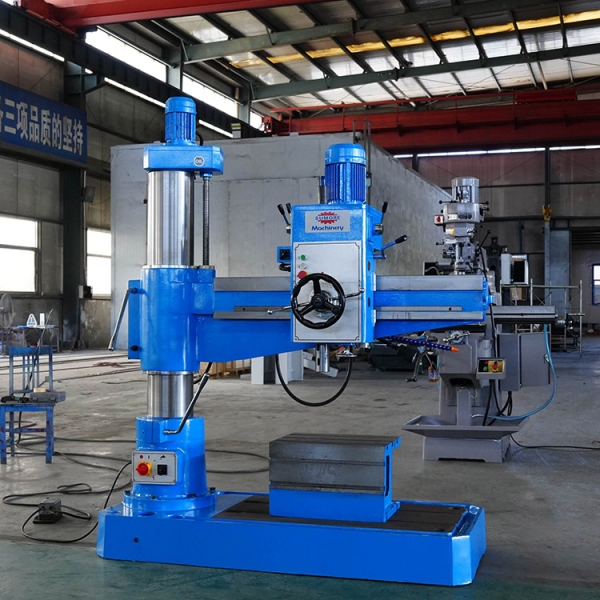
The daily maintenance difficulty of a drilling machine affects its service life, working accuracy, and operating safety. Although both desktop drilling machines and vertical drilling machines need regular care, their different structures and working conditions create differences in maintenance time, required skills, and cleaning tasks.
Desktop drilling machines are generally easier to maintain because of their simple structure and smaller size. Most parts, such as the drill chuck, spindle, belt system, and motor, are easy to access. Operators can usually complete basic maintenance tasks without special tools. Common daily checks include cleaning metal chips, checking the drill bit condition, tightening loose screws, and applying lubricant to moving parts.
For example, in a school workshop or small repair shop, an operator can spend only a few minutes after work cleaning the desktop drilling machine and checking whether the machine is running smoothly. Because the machine handles lighter workloads, wear on components is usually slower. However, users still need to pay attention to belt tension, spindle movement, and electrical connections to prevent small problems from affecting drilling accuracy.
Vertical drilling machines require more maintenance because they have a larger structure and are often used for heavier operations. Their components, including the spindle system, gearbox, motor, column, and worktable, need regular inspection to maintain stable performance. Since these machines often operate for longer periods, dust, metal chips, and cutting fluids can build up faster around moving parts.
Daily upkeep of a vertical drilling machine typically involves verifying the lubrication system, clearing debris from the work area, examining transmission parts, and listening for any abnormal noises or vibrations. In manufacturing environments, operators generally adhere to a set maintenance routine, as unexpected machine downtime can disrupt production flow. Certain maintenance activities, particularly those involving internal mechanical components, often require the expertise of more experienced technicians.
The difference in maintenance difficulty does not mean one machine is always better than the other. It depends on the working environment and usage frequency. A desktop drilling machine is easier to care for and is suitable for users who need simple operation and low maintenance demands. A vertical drilling machine requires more attention but provides stronger performance for demanding jobs.
To reduce maintenance problems, operators should build good habits from the beginning. Cleaning the machine after use, using the correct lubricant, replacing worn drill bits, and following the manufacturer's maintenance instructions can help both types of drilling machines operate safely and maintain good drilling quality for a longer time.
Table of Contents
- Structure And Parameters Of Desktop Drilling Machine
- Vertical Drilling Machine Body And Load-Bearing Characteristics
- Differences in Drilling Hole Diameter and Depth Capability of Drilling Machines
- Comparison of Space Requirements for Drilling Machines in the Workshop
- Drilling Machines Adapted For Teaching/Maintenance/Mass Production Scenarios
- Comparison Of Daily Maintenance Difficulty Between Two Drilling Machines
Sumore Machinery, founded in 2001, provides a full machinery supply chain covering R&D, manufacturing, and global trade. Specializing in power tools, woodworking and metal processing machines, we support worldwide partners with reliable products and long-term cooperation.


