

 AR
AR BG
BG CS
CS NL
NL FI
FI FR
FR DE
DE EL
EL HI
HI IT
IT JA
JA KO
KO PL
PL PT
PT RU
RU ES
ES SV
SV IW
IW ID
ID UK
UK VI
VI HU
HU TH
TH TR
TR FA
FA
When machining keyways, choosing the right machine can affect production speed, accuracy, and the overall quality of the finished part. Both lathes and planers can be used for keyway machining, but they work in different ways and are suitable for different situations. A Cnc Lathe is often known for turning operations, while a planer is designed for straight cutting movements on larger workpieces. Understanding the differences between these two methods helps machinists choose the right process for each job. This article explains how lathe and planer keyway machining work, compares their efficiency, and shares practical tips for better results.
Definition and cutting method of bed inserting equipment
A bed inserting machine, also called a planer-type slotting or keyway cutting machine in some workshops, is a machine tool designed for cutting grooves, slots, and keyways on workpieces. It uses a reciprocating cutting tool to remove material through repeated straight movements. Unlike a lathe, which mainly rotates the workpiece while the cutting tool moves along it, a bed inserting machine keeps the workpiece fixed on the table and moves the cutter back and forth to create the required shape.
The main cutting movement of bed inserting equipment is a vertical or horizontal reciprocating motion of the cutting tool. During the forward stroke, the tool contacts the workpiece and removes material layer by layer. During the return stroke, the tool moves back without cutting, allowing the machine to prepare for the next cutting cycle. The depth of cut is adjusted gradually until the required groove size is reached.
When machining keyways, the workpiece is firmly clamped on the machine table to prevent movement during cutting. The operator first aligns the cutting tool with the marked keyway position, then sets the cutting depth and feed amount. The machine removes small amounts of material with each stroke until the keyway reaches the correct width and depth.
This method works well for large shafts, heavy components, and parts that are difficult to rotate. For example, when making a keyway on a large industrial gear shaft, moving the cutter back and forth can be more practical than installing the heavy shaft on a lathe. However, because the cutting process depends on repeated strokes, the machining speed may be slower when producing many identical small parts.
Bed inserting equipment is valued for its ability to handle strong cutting forces and produce accurate straight grooves. It is often used in repair shops, heavy machinery manufacturing, and situations where workpiece size or weight makes other machining methods less convenient.
Definition and cutting method of planer equipment
A planer is a machine tool mainly used for machining large and heavy workpieces with flat surfaces, grooves, and keyways. It works by moving the workpiece table back and forth while a fixed cutting tool removes material from the surface. Compared with smaller machining equipment, planers are built with a strong structure that allows them to handle large parts that require stable and accurate cutting.
The cutting method of a planer is based on a reciprocating linear motion. The workpiece is fixed securely on the machine table, and the table moves forward to bring the material into contact with the cutting tool. During this forward stroke, the tool cuts and removes chips from the workpiece. After reaching the end of the stroke, the table returns to its starting position without cutting, then the next cutting cycle begins. The cutter position is adjusted after each stroke to gradually reach the required size.
When machining keyways with a planer, the operator first marks the keyway location and secures the shaft or workpiece on the table. The cutting tool is then aligned with the marked position. By controlling the cutting depth, feed rate, and number of strokes, the machine slowly forms the keyway to the required dimensions. This method is suitable for large shafts, heavy machine parts, and components that need strong cutting force.
For example, in a factory repairing a large transmission shaft, the shaft may be too heavy or too long for a standard lathe setup. A planer can hold the part firmly and cut the keyway with steady movement, reducing the risk of vibration and machining errors.
Although planers provide good stability and are effective for large workpieces, their cutting speed is usually lower than modern CNC machines. They are mainly chosen when strength, workpiece size, and machining reliability are more important than high production speed. Proper setup and tool adjustment are important to achieve a clean and accurate keyway.
Comparison of machining accuracy between slotting and planing machines
When comparing machining accuracy between slotting machines and planers, both machines can produce accurate keyways, but their performance is affected by the machine structure, workpiece size, and operating conditions. The choice between them depends on the type of part being machined and the accuracy requirements of the job.
A slotting machine usually provides good accuracy when machining internal grooves, keyways, and narrow slots. Since the cutting tool moves vertically, it can reach areas that are difficult for other machines to process. The tool movement is controlled directly, making it easier to maintain the required width and depth of smaller keyways. For example, when machining a keyway inside a gear hub or pulley hole, a slotting machine can achieve a precise fit because the cutting tool works directly inside the opening.
A planer is known for its stability when working on large and heavy components. Its strong bed structure helps reduce vibration during cutting, which improves machining consistency on large surfaces and long keyways. When processing a large drive shaft or heavy industrial equipment part, the firm support provided by a planer helps maintain accuracy even under strong cutting forces.
The main difference is that slotting machines are often better suited for smaller, more detailed work, while planers perform better on large workpieces that require strong support. A slotting machine may achieve tighter control on small grooves, but its accuracy can be affected when handling oversized parts. A planer can maintain steady accuracy on large components, but it may not be the best choice for small or complex keyway shapes.
In actual production, machinists select the machine based on the workpiece rather than accuracy alone. A repair shop making a small internal keyway for a machine component may choose a slotting machine, while a heavy machinery factory repairing a large shaft may prefer a planer. Proper tool selection, correct setup, and skilled operation often have as much impact on final accuracy as the machine type itself.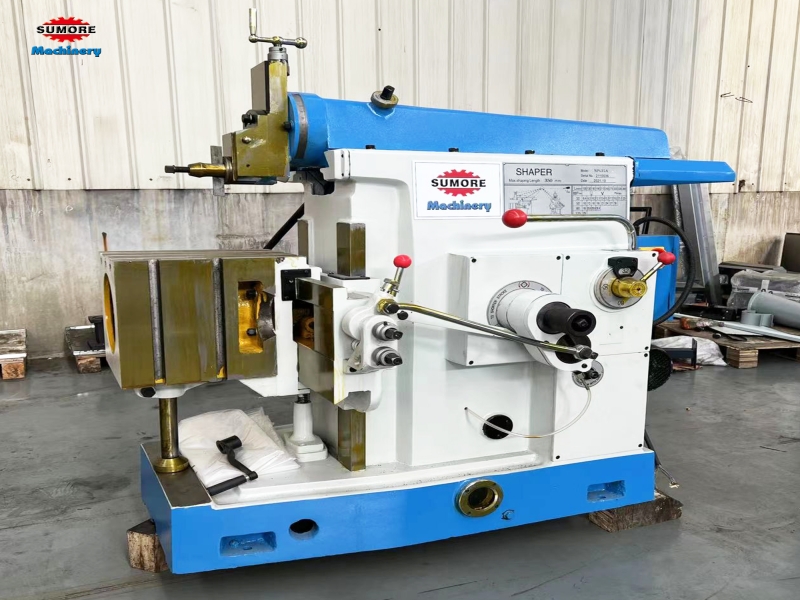
Difference in processing speed between lathe and planer
When comparing the processing speed of a lathe and a planer for machining keyways, the lathe usually has an advantage in efficiency for many common jobs. However, the actual speed depends on the size of the workpiece, keyway type, required accuracy, and production quantity. Each machine has its own working method, which affects how quickly it can complete the cutting process.
A lathe mainly works by rotating the workpiece while the cutting tool moves along a controlled path. For keyway machining, special attachments or tools are often used to cut the groove while the part is held by the lathe. Since the workpiece can rotate continuously and the machine is designed for faster material removal, a lathe can complete many machining tasks in a shorter time, especially when working with medium-sized shafts and repeated production jobs.
A planer uses a different method. The workpiece is fixed on the table, and the table moves back and forth while the cutting tool removes material during each forward stroke. Because the cutting process only happens during one direction of movement, time is lost during the return stroke. This makes planers slower when producing small parts or high-volume orders.
For example, a workshop producing several small shafts with keyways may choose a lathe because it can complete each part faster and reduce setup time. On the other hand, a factory repairing a large machine shaft may prefer a planer because the part can be securely mounted and machined without needing high-speed rotation.
Although the planer is generally slower, it has advantages when handling large and heavy components. Its strong structure allows stable cutting, which can reduce errors caused by vibration. A lathe may achieve higher production speed, but it may not always be practical for oversized parts.
In daily machining work, speed should not be the only factor when selecting equipment. A faster machine that cannot hold the workpiece properly may create more problems. The best choice is to match the machine's capability with the size, shape, and purpose of the keyway being produced.
Differences in tool wear & consumable costs between cutting machine and planer
When comparing tool wear and consumable costs between a lathe and a planer, the difference mainly comes from their cutting methods, operating speed, and the type of work they handle. Both machines require regular tool replacement and maintenance, but the frequency and cost can vary depending on production conditions.
A lathe usually experiences faster tool wear when machining keyways because it often operates at higher cutting speeds and is used for continuous production work. The cutting tool stays in contact with the rotating workpiece, which creates heat and friction. If cutting speed, feed rate, or cooling conditions are not properly controlled, the tool edge can become dull quickly. For example, a workshop producing many shafts with keyways may need to replace cutting inserts or sharpen tools more often to maintain machining quality.
A planer generally has slower tool wear because it works with a slower reciprocating cutting motion. The cutting tool only removes material during the forward stroke, which reduces continuous contact time compared with a lathe. This can help extend tool life, especially when machining large steel parts. However, planers often use larger cutting tools, and replacing or sharpening these tools may require more time and labor.
In terms of consumable costs, lathes may have higher ongoing costs when used for mass production because of more frequent tool changes, coolant use, and wear on machine accessories. However, the faster processing speed can reduce labor costs per part when many similar components are produced.
Replacement of tools on planers is less frequent than other cutting machines, although planers tend to have high maintenance expenses because of the complexity of its mechanism. The components that should be maintained are the guideways, table movement, and lubricating parts of the machine. Such high maintenance expenses become justified when it comes to major repairs due to heavy duty performed by the machine.
For example, a small machining shop making standard shafts may find a lathe more economical because it finishes parts quickly despite higher tool consumption. A heavy equipment repair facility working on large shafts may prefer a planer because tool life is longer and stable cutting performance is more important than speed.
The more suitable machine is not always the one with the lowest tool cost. Factors such as production volume, workpiece size, machining time, and maintenance ability should all be considered when choosing between a Lathe Machine and a planer.
Teaching, Training and Maintenance Scenarios for Inserting and Planing Machines
Proper teaching, training, and maintenance are important for keeping slotting and planing machines safe, accurate, and reliable. Since these machines use strong cutting forces and moving parts, operators need both technical knowledge and hands-on experience before working independently. Good training helps reduce machining errors, tool damage, and unnecessary machine downtime.
During operator training for a slotting machine, beginners usually start by learning the basic machine structure, including the column, worktable, ram, cutting tool, and adjustment systems. They are taught how to install and align cutting tools, secure the workpiece, set cutting depth, and control feed movement. A common training exercise is machining a simple keyway on a small shaft or block. This allows trainees to practice tool alignment and learn how small changes in cutting settings affect the final result.
Training for planing machines focuses more on handling large workpieces and controlling stable cutting operations. Operators learn how to properly clamp heavy parts on the machine table, adjust the cutting tool position, and set the stroke length. For example, a trainee working in a heavy equipment repair shop may practice machining a keyway on a large shaft while learning how to prevent vibration and maintain cutting accuracy.
Maintenance training is also an important part of machine operation. Operators should learn daily inspection tasks such as cleaning chips, checking lubrication levels, inspecting cutting tools, and looking for unusual noise or vibration. Regular lubrication of guide rails, screws, and moving parts helps reduce wear and keeps the machine running smoothly.
For slotting machines, attention should be given to the ram movement system, tool holder condition, and vertical adjustment mechanism. For planers, operators should regularly check the table movement system, guideways, hydraulic parts, and lubrication system because these areas directly affect machining stability.
A practical maintenance routine can greatly extend machine service life. For example, a factory that trains workers to clean and lubricate equipment after each shift can avoid many common problems, such as rough movement, poor surface finish, and unexpected breakdowns.
Whether using a slotting machine or a planer, skilled operation and regular care are key factors in achieving consistent machining results. Proper training not only improves work quality but also creates a safer working environment for everyone involved.
Table of Contents
- Definition and cutting method of bed inserting equipment
- Definition and cutting method of planer equipment
- Comparison of machining accuracy between slotting and planing machines
- Difference in processing speed between lathe and planer
- Differences in tool wear & consumable costs between cutting machine and planer
- Teaching, Training and Maintenance Scenarios for Inserting and Planing Machines
Sumore Machinery, founded in 2001, provides a full machinery supply chain covering R&D, manufacturing, and global trade. Specializing in power tools, woodworking and metal processing machines, we support worldwide partners with reliable products and long-term cooperation.


