

 AR
AR BG
BG CS
CS NL
NL FI
FI FR
FR DE
DE EL
EL HI
HI IT
IT JA
JA KO
KO PL
PL PT
PT RU
RU ES
ES SV
SV IW
IW ID
ID UK
UK VI
VI HU
HU TH
TH TR
TR FA
FA
When choosing the right lathe for a machining job, many people wonder whether a CNC lathe or a traditional manual lathe is the better choice. Both machines are designed to shape metal parts by rotating a workpiece against cutting tools, but the way they operate is very different. A manual lathe depends on the operator's skill and hand control, while a CNC lathe uses computer programs to guide the machining process. Understanding these differences helps manufacturers, workshops, and beginners choose the right equipment for their needs, improve production efficiency, and avoid problems caused by using the wrong machine for a specific task.
What is a CNC lathe
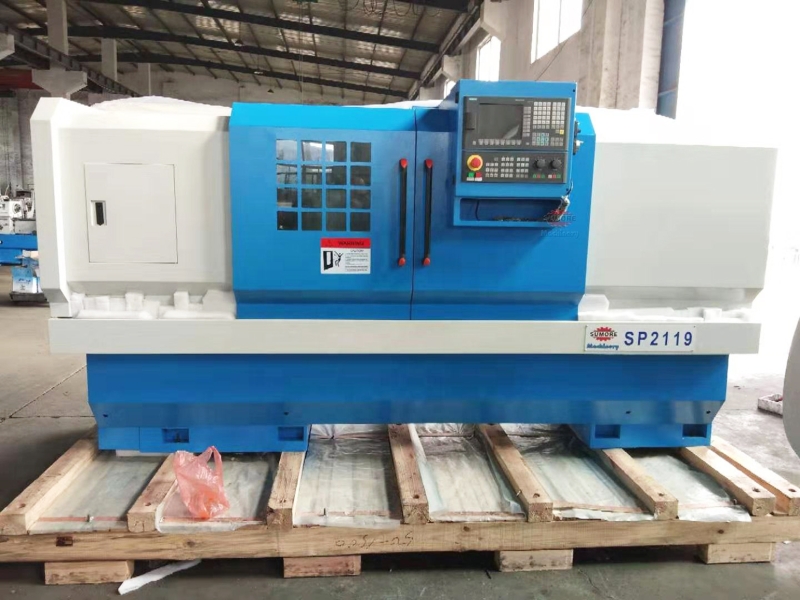
A CNC lathe, short for Computer Numerical Control lathe, is a machine tool that uses computer instructions to control the cutting process. Instead of an operator manually turning handles to move cutting tools, the machine follows a programmed set of commands to shape a workpiece with high accuracy. The operator first creates or loads a machining program that tells the lathe how fast the material should rotate, where the tools should move, and how much material should be removed.
For example, when making a metal shaft with several different diameters, holes, and grooves, a CNC lathe can complete the entire process automatically after the program is set. The machine can change cutting speeds, move tools along different axes, and repeat the same operation many times with very little variation. This makes it suitable for industries that need large quantities of identical parts, such as automotive, aerospace, electronics, and medical equipment manufacturing.
One of the biggest advantages of a CNC lathe is consistency. A skilled operator may produce accurate parts on a manual lathe, but repeating the same result hundreds or thousands of times can be difficult. A CNC lathe reduces this challenge by following the same programmed instructions for every piece. This is especially useful when producing complex components that require tight measurements.
However, CNC lathes also require preparation and technical knowledge. Operators need to understand programming, tool selection, machine settings, and maintenance. The machine itself usually costs more than a manual lathe, so it is often chosen by businesses that need higher production speed, better accuracy, or more complex machining capabilities. For small repair jobs or one-time projects, a manual lathe may still be a practical choice.
What Is a Regular Manual Lathe
A regular manual lathe is a traditional machining machine that relies on the operator's hands and experience to control the cutting process. Unlike a CNC lathe, it does not use computer programs to guide the movement of tools. The operator manually adjusts the cutting tool, controls the speed, and moves the machine parts using hand wheels and levers to shape the rotating workpiece.
For example, if a workshop needs to make a simple metal rod with a smaller diameter section, an experienced machinist can place the material in the lathe, select the right cutting tool, and carefully remove material while checking measurements along the way. The quality of the finished part depends heavily on the operator's skill, attention, and understanding of machining techniques.
Manual lathes are commonly used in repair shops, training schools, and small manufacturing facilities. They are useful for making prototypes, repairing machine parts, or handling custom jobs where only a few pieces are needed. Since the operator controls every movement, changes can be made quickly without creating a computer program.
One advantage of a manual lathe is its simplicity. It is easier for beginners to understand the basic principles of cutting, turning, and shaping metal. It also usually requires a lower investment compared with CNC equipment. However, manual machining takes more time when producing large numbers of identical parts, and maintaining the same level of accuracy across many pieces can be challenging.
A skilled machinist can achieve excellent results with a manual lathe, especially for simple designs or small production runs. Many workshops still keep manual lathes because they are reliable, flexible, and useful for jobs where setting up a CNC machine would take more time than completing the work itself.
Comparison Of Two Types Of Lathe Body Structure Configurations
When comparing CNC lathes and regular manual lathes, their body structures are designed with different goals in mind. A CNC lathe machine lathe usually has a stronger and more rigid machine body because it needs to handle high-speed cutting, automatic movements, and long working hours with stable accuracy. The main frame is often made from heavy cast iron, with reinforced sections that help reduce vibration during machining. Many CNC lathes also use a slanted bed design, which helps chips move away from the cutting area and makes automatic chip removal easier. This structure supports continuous production and helps maintain consistent part quality.
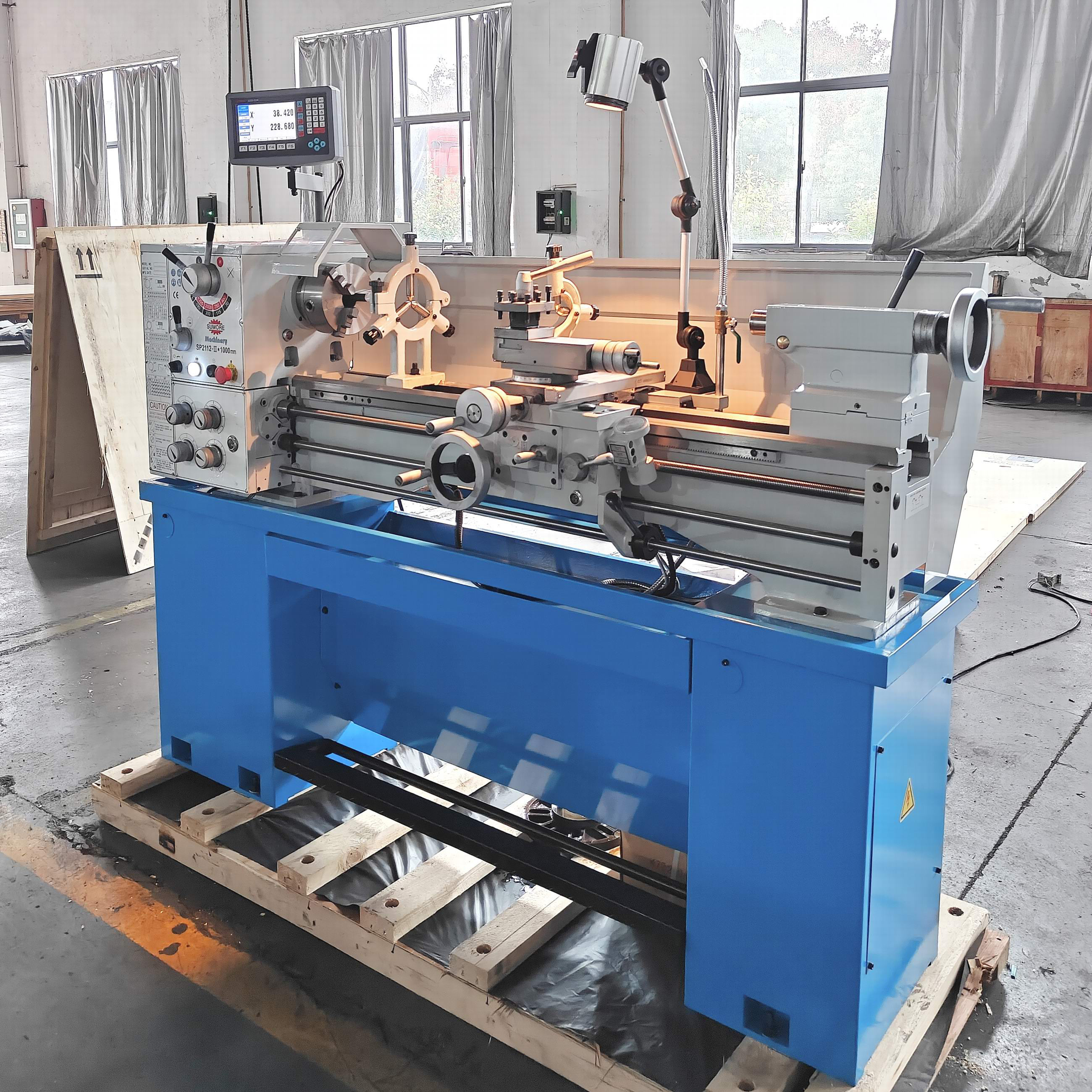
A manual lathe usually has a simpler body structure because it depends on the operator's direct control. Its frame is also commonly made from cast iron to provide stability, but the design focuses more on flexibility and ease of operation rather than automated production. Most traditional manual lathes use a flat bed structure, where the headstock, carriage, and tailstock move along straight guideways. This design is practical for repair work, training, and small machining tasks because operators can easily access and adjust different parts of the machine.
The difference in structure becomes clear when looking at real workshop situations. A factory producing hundreds of identical shafts every day may choose a CNC lathe because the rigid body design helps the machine maintain accuracy during long operating hours. On the other hand, a maintenance shop that repairs different types of machine parts may prefer a manual lathe because the operator can quickly adjust the setup for each unique job.
When selecting between the two, consider the type of work rather than only the machine price. If the goal is high-volume production, complex parts, and repeatable accuracy, the stronger structure of a CNC lathe is usually more suitable. For simple turning jobs, repairs, and learning machining skills, a manual lathe can still provide reliable performance.
Difference Between Lathe Machining Accuracy And Mass Production Efficiency
The difference between CNC lathes and manual lathes becomes very clear when looking at machining accuracy and mass production efficiency. A CNC lathe is designed for high precision and repeated production, while a manual lathe depends more on the operator's experience and attention to detail. Both machines can produce quality parts, but they are better suited for different types of work.
A CNC lathe can achieve consistent accuracy because computer programs control every movement of the cutting tools. Once the machine is properly set up, it can produce the same part repeatedly with very small differences between each piece. This is important for industries such as automotive manufacturing, where thousands of engine components, shafts, or connectors may need to meet the same exact measurements. The machine can continue working for long periods while maintaining stable performance.
A manual lathe can also create accurate parts, especially when operated by a skilled machinist. However, the final result depends more on the operator's ability to control cutting speed, tool movement, and measurement checks. For example, a repair technician making a replacement part for an old machine may only need one or two pieces. A manual lathe allows quick adjustments without spending time creating a CNC program.
When it comes to mass production, CNC lathes have a clear advantage. After programming and setup, they can run multiple parts with less manual involvement. Operators mainly monitor the machine, replace tools when needed, and check product quality. This reduces production time and helps factories handle large orders more efficiently.
Manual lathes are slower for large-scale production because each part requires direct control from the operator. Making many identical pieces can take longer and may lead to small differences between products. However, they remain valuable for custom jobs, maintenance work, and small batches where flexibility matters more than speed.
Choosing between the two depends on production needs. Businesses making large quantities of precision parts often benefit from CNC technology, while workshops handling repairs, prototypes, or customized components may find manual lathes more practical. The right choice comes from matching the machine's strengths with the type of work being performed.
Comparison Of The Difficulty Of Manual Operation Between Two Types Of Lathes
The difficulty of operating CNC lathes and manual lathes is different because they require different types of skills. A manual lathe depends heavily on the operator's hands-on ability, while a CNC milling machine requires more knowledge of programming, machine settings, and digital controls. Neither machine is simply easier in every situation; the learning process depends on the type of work and the operator's background.
Operating a manual lathe requires strong practical skills and good coordination. The machinist needs to control the cutting tool by turning hand wheels, adjust cutting speed, measure the workpiece during machining, and make corrections based on experience. Small mistakes in tool movement or measurement can affect the final size and surface quality of the part. For example, when making a custom bushing in a repair shop, an experienced machinist can adjust the process immediately by feeling how the tool interacts with the material.
A CNC lathe reduces the amount of physical control needed during machining because the machine automatically moves according to programmed instructions. However, learning to operate a CNC lathe requires understanding computer programming, tool selection, work coordinates, and machine setup. A beginner may find the control panel and programming steps challenging at first. A simple mistake in the program can cause incorrect machining or even damage the tool and workpiece.
For daily production work, CNC lathes are often easier once the setup process is complete. An operator can load materials, start the program, and monitor the machine while producing many identical parts. This reduces physical effort compared with manually controlling every cutting movement.
Manual lathes may be easier to start learning because beginners can directly see and feel how machining works. They are often used in training because they help operators understand basic turning principles before moving to more advanced equipment.
The choice depends on the user's needs. Someone learning basic machining or handling repair jobs may prefer a manual lathe because it builds fundamental skills. A factory producing large quantities of precision parts may invest in CNC lathes because they reduce repetitive work and improve production control after proper training.
The Difference In Procurement And Long-Term Maintenance Costs Of Lathes

The procurement and long-term maintenance costs of CNC lathes and manual lathes are quite different. When choosing between the two, businesses should look beyond the initial purchase price and consider operating costs, maintenance needs, training requirements, and the expected workload.
A manual lathe usually has a lower purchase cost because its structure and control system are simpler. Small workshops, repair shops, and training centers often choose manual lathes because they can perform many basic machining tasks without a large investment. Maintenance is also generally easier because the machine has fewer electronic components. Common maintenance work, such as cleaning, lubrication, adjusting mechanical parts, and replacing worn tools, can often be handled by in-house technicians.
A CNC lathe requires a higher initial investment because it includes computer control systems, precision components, servo motors, and advanced machine functions. The purchase cost may be higher, but the machine can provide better value for businesses that need high production output and consistent quality. For example, a factory producing thousands of metal fittings every month may recover the higher equipment cost through faster production and reduced labor requirements.
Long-term maintenance for CNC lathes is more complex. Regular checks are needed for electrical systems, control units, software settings, motors, and precision parts. When a major component fails, repairs may require specialized technicians and replacement parts, which can increase downtime and repair expenses. Proper maintenance schedules and operator training help reduce these risks.
Manual lathes may have lower repair costs, but labor expenses can become higher when production volume increases. Since each part requires direct operation, businesses may need more skilled workers to complete large orders.
The better option depends on the intended use. If a company needs to make a few custom parts, a manual lathe would be more cost-effective, while a manufacturer that needs to make many precise parts should instead go with a CNC lathe. Thinking about the cost and the potential time the machine will be used can help companies make a better decision.
Table of Contents
- What is a CNC lathe
- What Is a Regular Manual Lathe
- Comparison Of Two Types Of Lathe Body Structure Configurations
- Difference Between Lathe Machining Accuracy And Mass Production Efficiency
- Comparison Of The Difficulty Of Manual Operation Between Two Types Of Lathes
- The Difference In Procurement And Long-Term Maintenance Costs Of Lathes
Sumore Machinery, founded in 2001, provides a full machinery supply chain covering R&D, manufacturing, and global trade. Specializing in power tools, woodworking and metal processing machines, we support worldwide partners with reliable products and long-term cooperation.


